Every year on March 3, the world marks World Wildlife Day. It celebrates the animals and plants we share our planet with.
The United Nations launched this observance in 2013. It marks the anniversary of CITES — the treaty fighting illegal wildlife trade.
UN Secretary-General António Guterres is clear: human actions have hurt wildlife badly. Yet he believes our ideas can still save it.
Pollution, climate chaos, habitat loss, and exploitation are the biggest threats. Tackling them together is the only path forward.
Pakistan: A Wildlife Treasure
Pakistan is home to over 195 mammal species. Its landscapes range from towering mountains to vast, dry deserts.
Rare animals like the Markhor, Ibex, and Snow Leopard call Pakistan home. Each one plays a vital role in its ecosystem.
National parks, wildlife sanctuaries, and community efforts are making real progress. Pakistan’s conservation story is one of growing hope.
Healthy wildlife keeps nature in balance. It also improves lives for people living nearby.
Khunjerab National Park is a strong example. Endangered species there are slowly stabilizing, thanks to steady protection efforts.
195+ Mammal species in Pakistan
80,000 Square km of Snow Leopard habitat
167Snow Leopards estimated in Pakistan
Meet the Snow Leopard
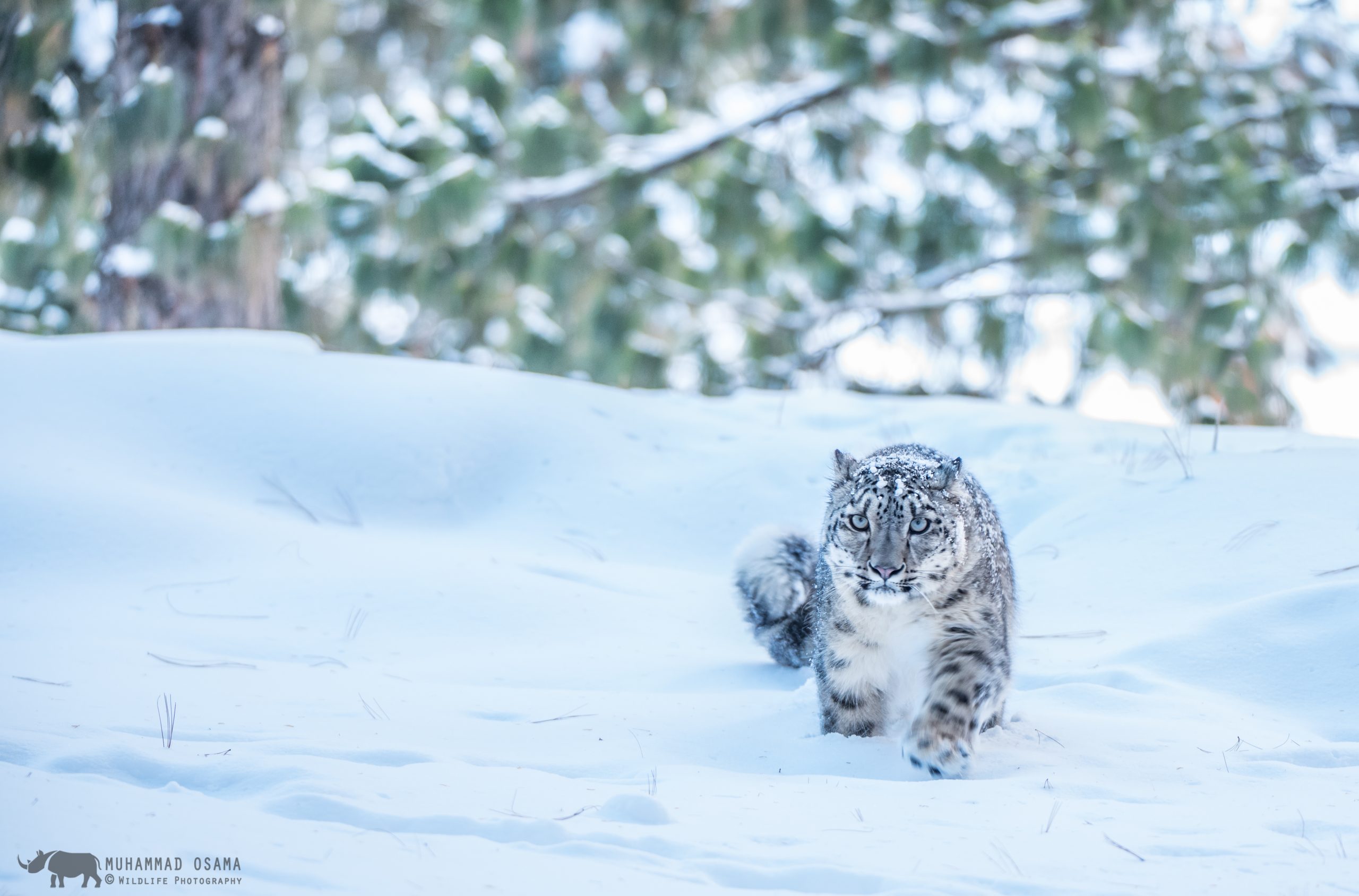
The Snow Leopard is nicknamed the “Ghost of the Mountains.” It is the star of Pakistan’s high peaks.
Its spotted coat blends perfectly among rocks and snow. Spotting one in the wild is a rare and extraordinary event.
As a top predator, the Snow Leopard keeps the food chain steady. It is essential to the health of mountain ecosystems.
Snow Leopards hunt blue sheep, ibex, and marmots. This prevents overgrazing across vast mountain landscapes.
Less overgrazing means healthier plants, stronger soil, and cleaner rivers downstream. The benefits reach far beyond the mountains.
Where Snow Leopards Live
Snow Leopards roam the western Himalayas, Hindukush, Karakoram, and Pamir ranges. They live between 3,000 and 5,500 meters above sea level.
Pakistan holds one of the world’s largest Snow Leopard populations Estimates 167 individuals.
They spread across roughly 80,000 square kilometres of rugged terrain. This vast range makes monitoring them a major challenge.
Recent surveys show mixed results. Numbers are stable in some areas but declining in others due to human pressures.
The Threats They Face
Climate change is melting glaciers and shifting plant patterns. Snow Leopard habitat is shrinking as a result.
As their range shrinks, Snow Leopards move closer to human settlements. Conflict with people becomes more likely and more dangerous.
Poaching remains a serious threat. Snow Leopards are targeted for their fur and bones on illegal markets.
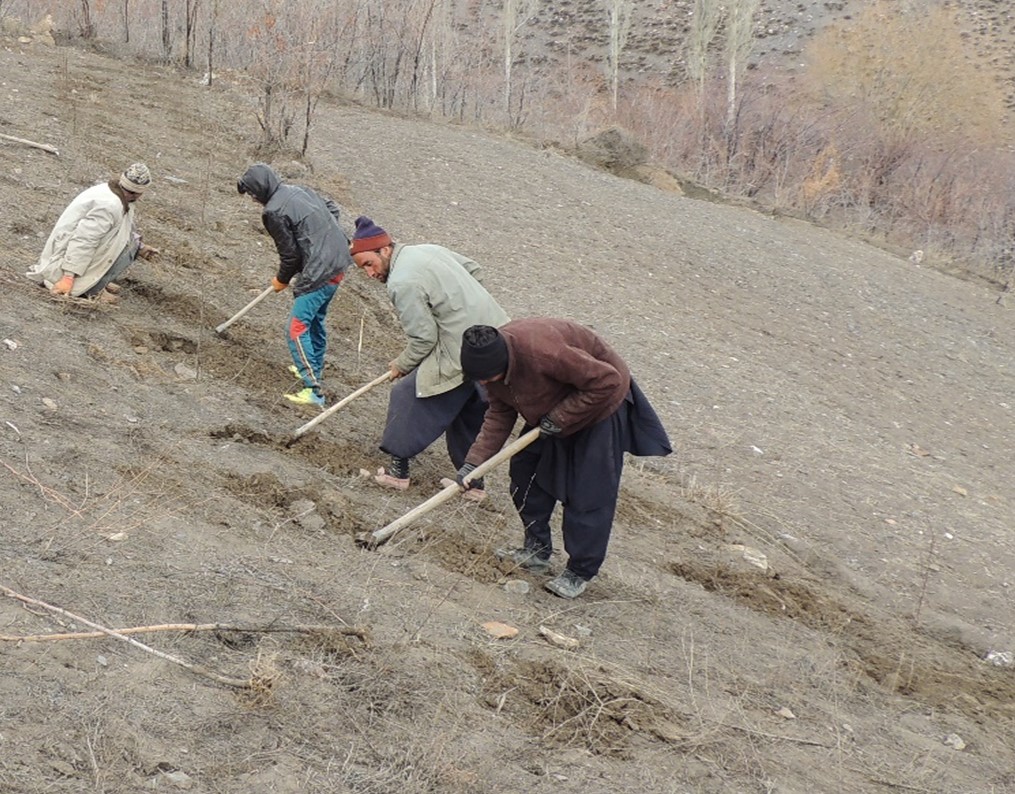
Herders sometimes kill Snow Leopards after losing livestock. It is a tragic cycle driven by economic loss and fear.
“The Snow Leopard is facing a huge threat from climate change and a hostile human population in Pakistan.”— Dr. Muhammad Ali Nawaz, Snow Leopard Foundation
Dr. Nawaz also offers a hopeful sign. A Snow Leopard dying of old age, he says, means coexistence is working on the ground.
The Snow Leopard Foundation
The Snow Leopard Foundation (SLF) was founded in 2008. It is led by Dr. Muhammad Ali Nawaz.
SLF works across Gilgit-Baltistan, Chitral, and Azad Jammu & Kashmir. Its approach puts people at the centre of conservation.
What SLF Does:
Builds predator-proof corrals to protect livestock. Compensates herders for losses caused by Snow Leopards. Promotes eco-tourism to create local income. Uses camera traps and genetic tools to track populations.
One exciting recent win stands out. Four Snow Leopards were spotted together in northern peaks — a sign of healthy habitat.
SLF partners with the global Snow Leopard Trust. It educates locals, trains rangers, and advocates for stronger protection policies.
“Snow Leopards are the ambassadors of Asia’s high mountains. Conserving them means sustainable ecosystems, climate adaptation, and water security for over a quarter of the world’s people.”— Dr. Muhammad Ali Nawaz
Spreading the Word on Wildlife Day
World Wildlife Day spreads conservation stories across Pakistan. Events, workshops, school lessons, and social media all play a role.
UNEP’s Inger Andersen puts it clearly. We must value wildlife and the communities that guard it — including top predators.
Awareness leads to action. It brings stronger laws, more funding, and better teamwork between governments and communities.
World Wildlife Day is not just one day. It is a call for consistent, long-term effort from everyone.
Why This Work Matters
Pakistan’s Snow Leopard work proves that conservation helps both nature and people. The two goals are not in conflict.
Protecting ecosystems means cleaner water, fresher air, and sustainable jobs for local communities. The stakes could not be higher.
Climate challenges are growing every year. Yet SLF’s successes remind us that progress is possible with the right approach.
We each have a role to play. Supporting local efforts or simply sharing the message makes a real difference.
Let us act now — so our children can one day see the Ghost of the Mountains roam free.
 By: SLF Admin