As winter loosens its grip on the Karakoram, the mountains are alive again, and so is the ghost that walks them. In the high valleys of Gilgit-Baltistan, March does not arrive gently.
It comes in bursts, a warm afternoon that softens the snow. A cold night that refreezes it. Slowly the first patches of bare rock appearing on south-facing ridgelines.
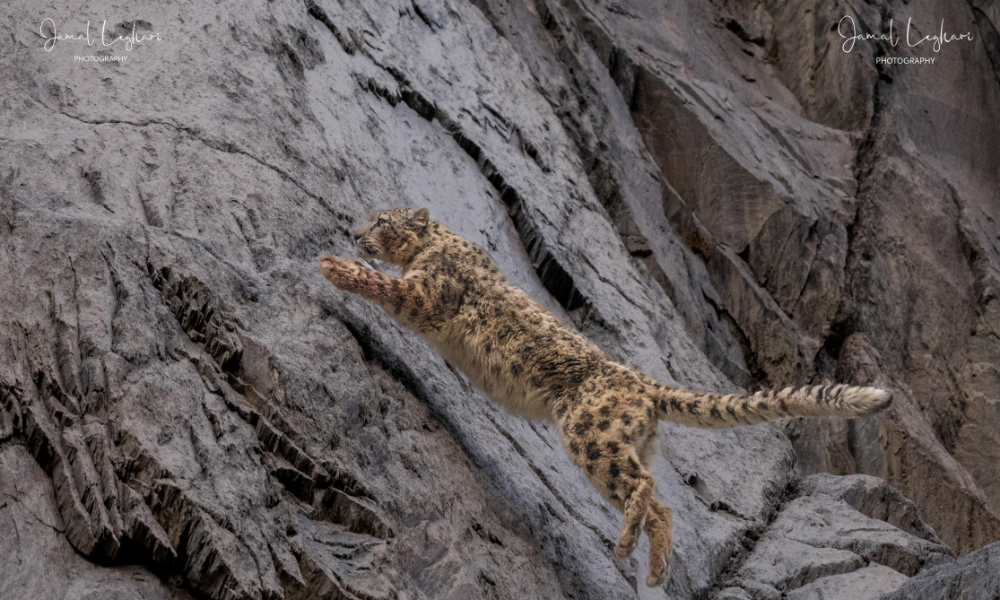
For the people who live here, it is the beginning of a new season. For the snow leopard, it is something else entirely: a time of movement. As a result, Every spring, as snow melts at lower elevations and prey animals, begin their gradual climb back to summer pastures. Snow leopards follows blue sheep, ibex, markhor. They move along ridgelines and cliffs with a quiet that has earned them their name: the ghost of the mountains.
READ MORE: Snow Leopard Foundation Showcases Conservation Work at UK–Pakistan Green Compact
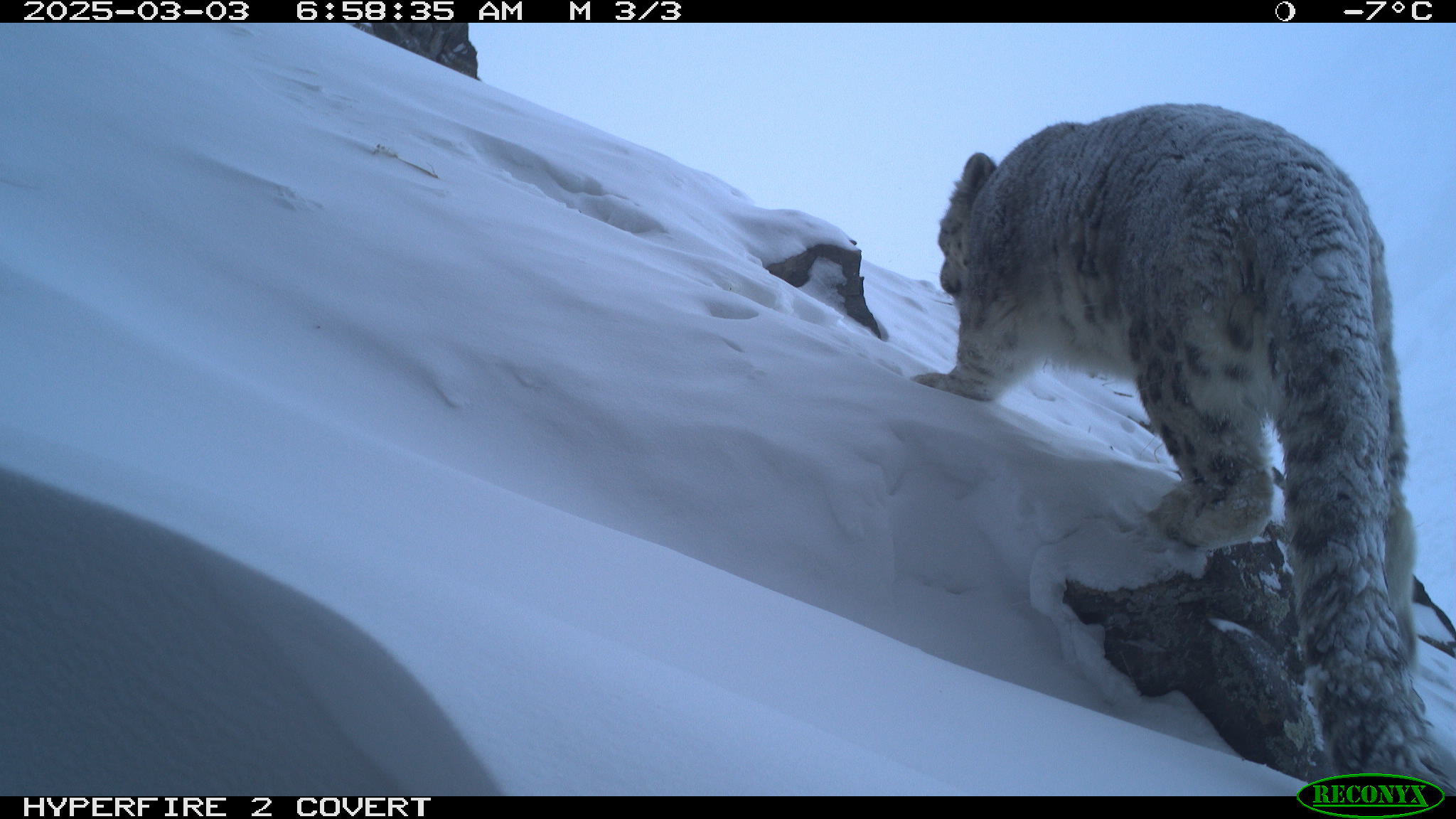
Most people who live beside them have never seen one with their own eyes. Yet they know the cat is there. A trail of pugmarks in the morning snow. A sound in the night. A restlessness in the herd. Importantly, This seasonal movement is one of the most important, and most delicate, moments in the snow leopard’s year. It is also when camera traps installed by the Snow Leopard Foundation (SLF) across key corridors in Khunjerab, Qurumbar, and surrounding valleys begin to tell their stories.
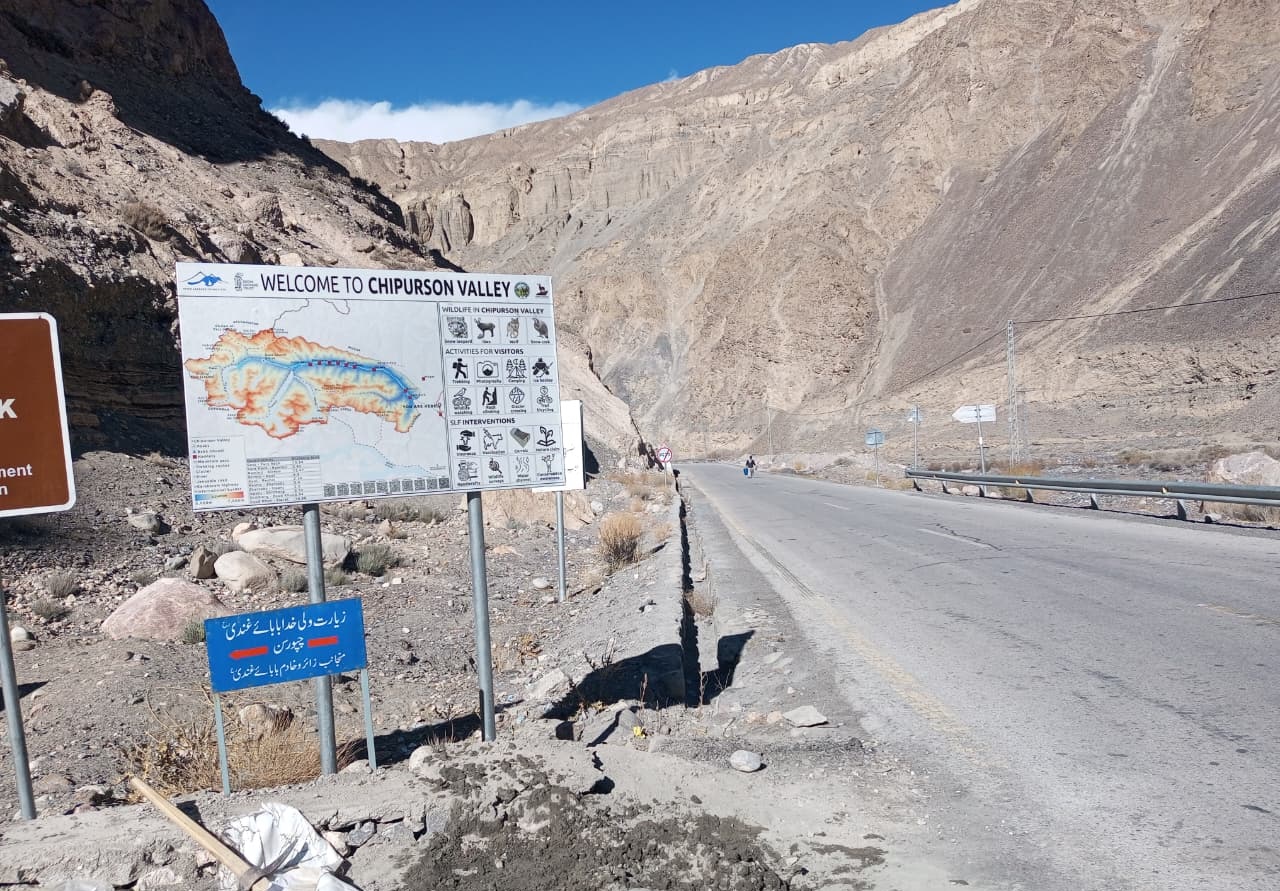
In fact, Pakistan’s first nationwide snow leopard survey, completed by SLF researchers using over 1,000 cameras across 40,000 square kilometres, estimated between 155 and 167 snow leopards in the country. It is a sobering number, fewer individuals than the population of many mountain villages. Each one matters. And spring, with its mixing of boundaries between human and wild space, is a season that tests just how well people and snow leopards can share the same mountain. As herders in valleys like Chipursan, Ishkoman, and Naltar begin moving livestock back toward high pastures, the risk of conflict rises.
At the same time, A snow leopard in spring may be a mother with cubs, hungry and hunting close to human settlements. For a family whose entire livelihood depends on a small flock of goats or sheep, a single night raid can be devastating. This is precisely why SLF’s work does not stop at the camera trap. Across more than 50 sites in Gilgit-Baltistan, Chitral, and Azad Jammu and Kashmir, SLF has been quietly building a different kind of relationship between people and the animals they live alongside.
Predator-proof corrals keep livestock safe at night. Strong wooden doors block predator entry. Wire-mesh roofs add extra protection. Livestock insurance schemes support families during losses.They reduce the financial burden on households.
They ensure families do not face losses alone. And community wildlife guards, local men and women trained and trusted to watch over their own valleys, mean that the snow leopard has allies in every mountain community. Spring is also when SLF field teams return to the mountains after winter.
“Spring is when the mountains reveal their secrets. The cats move, the cameras catch what the eye cannot see, and every image is a reminder of what we are working to protect.” Dr. Hussain Ali, Senior Regional Programme Manager, Snow Leopard Foundation
Teams check and reload camera traps regularly. They collect field data for research. They record pugmarks and prey signs. SLF has worked in these communities for years. People now respond with awareness, not fear. People staff stay alert and practice quiet vigilance. Team see the snow leopard as more than a threat. They view it as a sign of a healthy ecosystem. They understand that their environment is still alive. There is something deeply hopeful in that.
In places where, a decade ago, a snow leopard sighting might have ended in a trap or a poison, it now ends in a photograph on a camera card, and a conversation about what it means to have such an animal still walking these ridgelines. The snow melts. The ibex climb. And somewhere up on the grey rock above the last treeline, a snow leopard stretches, scent-marks a boulder, and begins to move. The mountains are waking up. So is the work of keeping them whole.
 By: Faheem akhtar